To start sewing you need a machine that makes a straight stitch and a zigzag, plus a short list of hand tools: fabric shears, pins or clips, a tape measure, a seam ripper, a marking tool, an iron, hand needles, machine needles and thread. A rotary cutter, a cutting mat, a pressing ham and a serger are all useful, and all of them can wait until a project asks for them.
The Day-One Kit
| Tool | What to look for | Why you need it |
|---|---|---|
| Fabric shears | Bent-handled dressmaker's shears, 7 or 8 in (18 to 20 cm) | The bent handle lets the lower blade stay flat on the table while you cut |
| Paper scissors and thread snips | Any ordinary pair; small sharp snips | Paper dulls fabric shears; snips sit by the machine for thread tails |
| Pins or clips | Fine glass-head pins; a handful of sewing clips | Glass heads do not melt under the iron, plastic ones can; clips hold layers too thick to pin |
| Tape measure | 60 in (150 cm), fiberglass, inches and centimeters | For bodies and curves; fiberglass does not stretch |
| Seam ripper | A sharp one with a fine point | Unpicking is a normal part of sewing |
| Marking tool | Tailor's chalk or a chalk pencil | Transfers notches, dots and darts to the fabric |
| Seam gauge | A 6 in (15 cm) ruler with a sliding marker | Measures hems and seam allowances as you press |
| Iron | A steam iron and a board or pressing mat | Seams and hems are pressed at every step |
| Needles and thread | Assorted hand sharps, universal machine needles, all-purpose polyester thread | The basics for woven cotton and linen |
Cutting, Measuring and Marking
Good shears are the one tool worth choosing carefully. They should close cleanly all the way to the tips, because the tips do the work at corners and notches. Left-handed shears exist and make a real difference if you cut with your left hand.
Keep them for fabric only. Paper and pattern tissue dull the edge quickly, so keep a second, ordinary pair for cutting out printed patterns.
Pinking shears, with their zigzag blades, are a seam finishing tool and not a first purchase. The guide to seam allowance and seam finishes explains when they are enough.
Measuring and Marking
Set the slider of the seam gauge to the hem depth and you can check a fold in seconds, all the way around.
Marking tools differ in how they come off, so test on a scrap of the project fabric and make sure the mark comes out before you rely on it.
- Tailor's chalk and chalk pencils brush off. They are the safest general choice, though waxy chalk can leave a mark when pressed.
- Water-soluble pens, usually blue, come out with plain water. Remove the marks before pressing or laundering, because the heat of the iron and detergent can both set the ink.
- Air-erasable pens, usually purple, fade on their own, typically within 24 to 48 hours, which is no help if you mark today and sew next week.
- Heat-erasable pens vanish under the iron, but the ink is hidden, not removed. Pilot says the ink of its FriXion pens turns invisible above 60°C (140°F) and reappears below about -10°C (14°F). Keep them inside the seam allowance.
Which marks need transferring, and where, is covered in how to read a sewing pattern.
Pins, Clips and Hand Needles
Pin at right angles to the seam with the heads toward the raw edge, and pull each pin out before it reaches the presser foot. Sewing over pins can break the needle.
Clips replace pins where pins fail: on several layers of canvas, and on leather, vinyl and laminated fabric, where a pin hole stays for good.
Even with a machine, some jobs are done by hand: closing the gap after turning a pouch, sewing on buttons, catching down a facing. A pack of assorted sharps, the ordinary hand-sewing needle sold in sizes 1 to 12, covers them. Hand needle sizes run the opposite way from machine needles. The higher the number, the finer and shorter the needle.
Pressing Tools
Pressing is not ironing. You lower the iron, hold it, and lift it, without sliding, so the fabric is not pushed off grain. Do it after every seam.
Add a press cloth, which is simply a piece of plain white cotton laid between the iron and the fabric. It prevents shine on dark fabric and keeps fusible interfacing glue off the soleplate.
A tailor's ham, a firm rounded cushion for pressing darts and curved seams, belongs on the later list. So does a seam roll, which lets you press a seam open inside a sleeve or pant leg. Until then, a tightly rolled towel does both jobs acceptably.
Machine Needles by Fabric
Almost all home sewing machines take the same flat-shank needle system, labeled 130/705 H on the pack and also sold as 15x1 or HAx1. Schmetz, the German needle maker, puts it at 99 percent of home machines. Your manual confirms it, and shows which way the flat side faces.
Sizes come as two numbers, such as 80/12. The first is the metric size, the diameter of the needle blade in hundredths of a millimeter, so an 80 is 0.8 mm thick. The second is the American size. In both systems, a bigger number means a thicker needle for heavier fabric: roughly 60/8 for very light fabric, 70/10 or 80/12 for medium weights, 90/14 and 100/16 for denim and canvas.
The table follows Schmetz's own descriptions and the sizes it makes for home machines.
| Needle | Point | Use it on | Sizes made |
|---|---|---|---|
| Universal | Slightly rounded | Most woven fabric, some knits | 60/8 to 120/19; 80/12 is the everyday size |
| Ballpoint (jersey) | Medium ball point, slides between the loops of a knit | Jersey, interlock, sweatshirt and sweater knits | 70/10 to 100/16 |
| Stretch | Medium ball point, smaller eye and a deep scarf to prevent skipped stitches | Highly elastic knits with Lycra or spandex: swimwear, leggings | 75/11, 90/14 |
| Microtex (sharp) | Very slim, acute point | Fine, tightly woven fabric: silk, microfiber, polyester, coated fabric | 60/8 to 90/14 |
| Jeans (denim) | Medium ball point on a reinforced blade that resists bending | Denim, twill, canvas, thick seams | 70/10 to 110/18 |
| Leather | Cutting point | Leather and faux leather only, never woven or knit fabric | 70/10 to 110/18 |
A pack of universal needles in 80/12 and 90/14 covers the first projects. Schmetz's rule of thumb is a new needle after eight hours of sewing and at the start of each project, and Singer's help pages say every 6 to 8 hours. Neither is exact; elsewhere Schmetz says the honest answer could be anything from three seconds to 20 hours. The signs matter more than the clock: shredded or broken thread, skipped or uneven stitches, puckered or snagged fabric, and a popping sound as the needle enters the cloth all mean it is overdue.
Pattern names often tell you which needle to buy. Denim points to a jeans needle, a sweater knit to a ballpoint and swimwear to a stretch needle; the fabric list in each listing confirms it.

Upcycled Denim Bag Sewing Pattern
See the listing ↗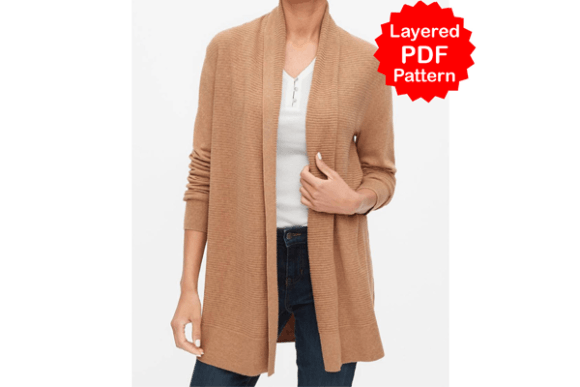
Open Front Sweater Pdf Sewing Pattern
See the listing ↗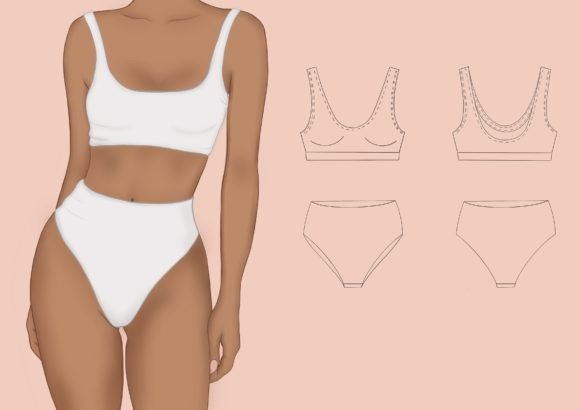
Olivia M Bikini Pattern Sewing Pattern
See the listing ↗From the collection Sewing Patterns. New Creative Fabrica members get 10 free downloads, and any of these can be one of them.
Thread and Bobbins
All-purpose polyester thread is the default for garments, bags and home items. Use the same thread in the needle and the bobbin. If you cannot match the fabric color exactly, the traditional rule is to go a shade darker; the exception is pale, fine fabric, where a lighter thread disappears better. Inferior thread can clog the machine with lint, so it is a poor place to save.
Bobbins are not universal. Types that look identical are not interchangeable: Singer's Class 15 bobbin is flat on top and bottom, while its Class 15J is slightly curved and a fraction shorter, and Singer warns that the wrong one causes tension problems, skipped stitches and jams and can damage the bobbin case. Buy the type named in your machine's manual.

What Can Wait
Buy these when a specific project calls for them.
- Rotary cutter, self-healing mat and acrylic ruler. Blades come in 18, 28, 45 and 60 mm: small ones follow curves, large ones speed up long straight cuts. Olfa rates its 45 mm cutter for up to eight layers of cotton and its 60 mm for twelve. A rotary cutter must always be used on a mat. The set is excellent for long straight cuts, bias strips and slippery fabric. The blade is extremely sharp, so close the guard every time you put it down.
- Walking foot. Feeds thick or shifting layers evenly. Worth having for bags and anything with batting.
- Dressmaker's carbon paper and a tracing wheel. For transferring darts and other inner markings to the fabric.
- Serger. Trims and wraps a seam edge in one pass. Wait until you sew knits or garments regularly.
The Machine Itself
A first machine needs very little: a straight stitch with adjustable length, a zigzag with adjustable width, reverse, and a buttonhole. A free arm, the narrow part of the bed exposed by sliding off the accessory tray on many machines, makes hemming sleeves and pant legs much easier.
Most machines arrive with an all-purpose foot, a zipper foot and a buttonhole foot, though the set varies by model. Those three carry you through everything in sewing projects for beginners.
Brush the lint out of the bobbin area after every project. Oil the machine only if the manual tells you to, and only where it says. Singer notes that a machine whose manual does not mention oiling was lubricated at the factory and needs none.
The Day-One Kit, Item by Item
If you are starting from nothing, these are the hand tools from the day-one list. Buy the scissors first and keep them for fabric only.
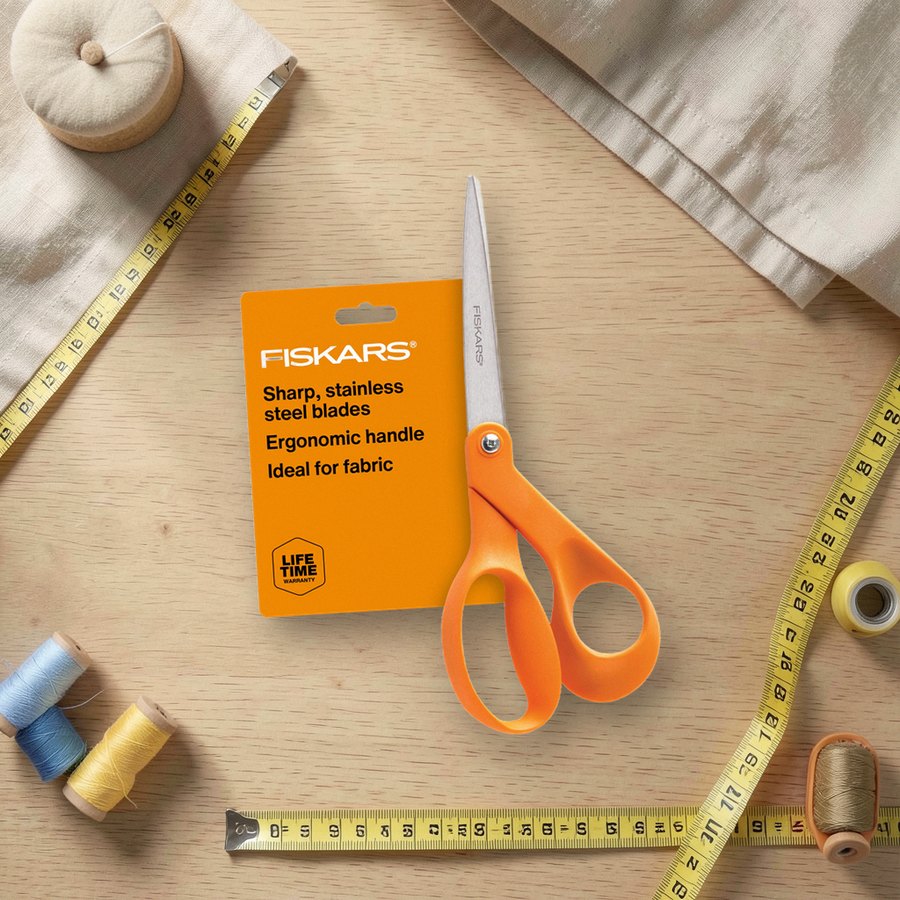 Fabric scissors, 8 inchFiskarsSee it on Amazon
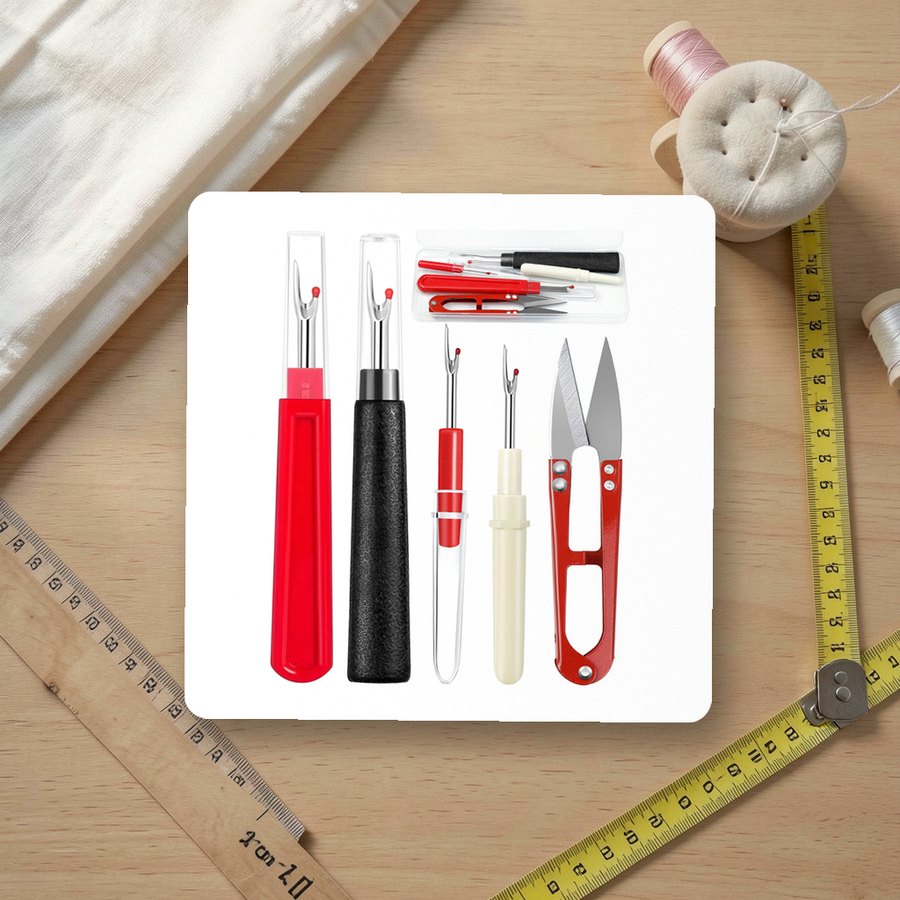 Seam rippers, large and smallFIVEIZEROSee it on Amazon
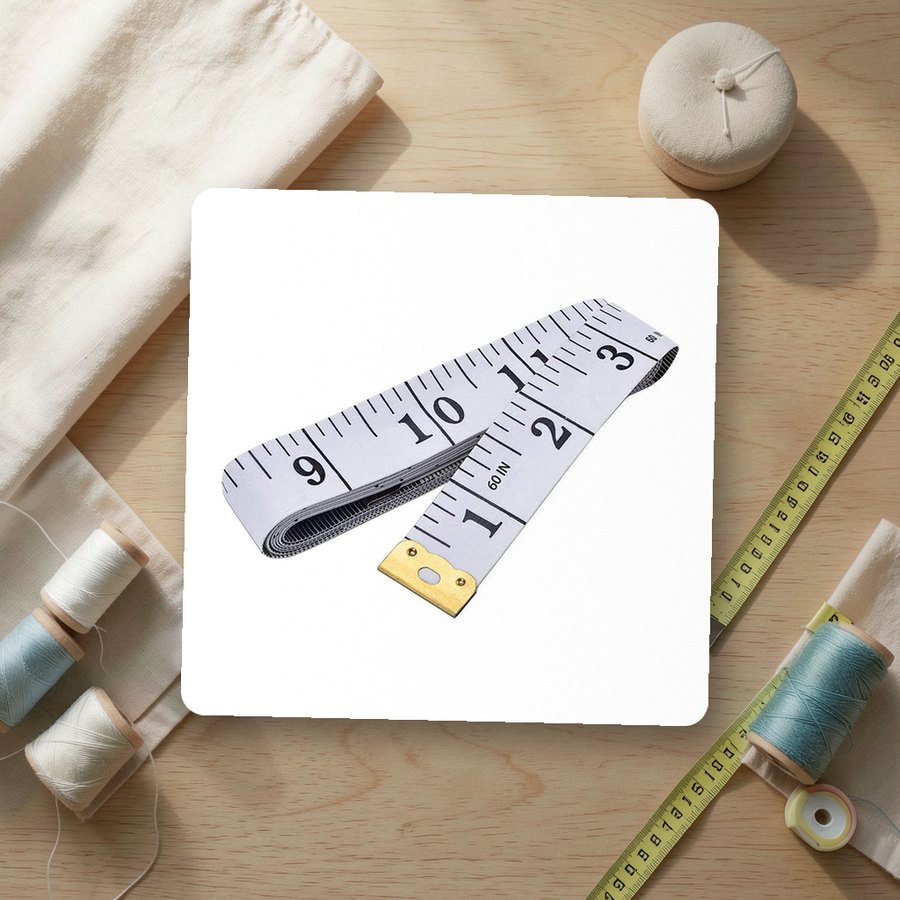 Soft tape measure, 60 inchGDMINLOSee it on Amazon
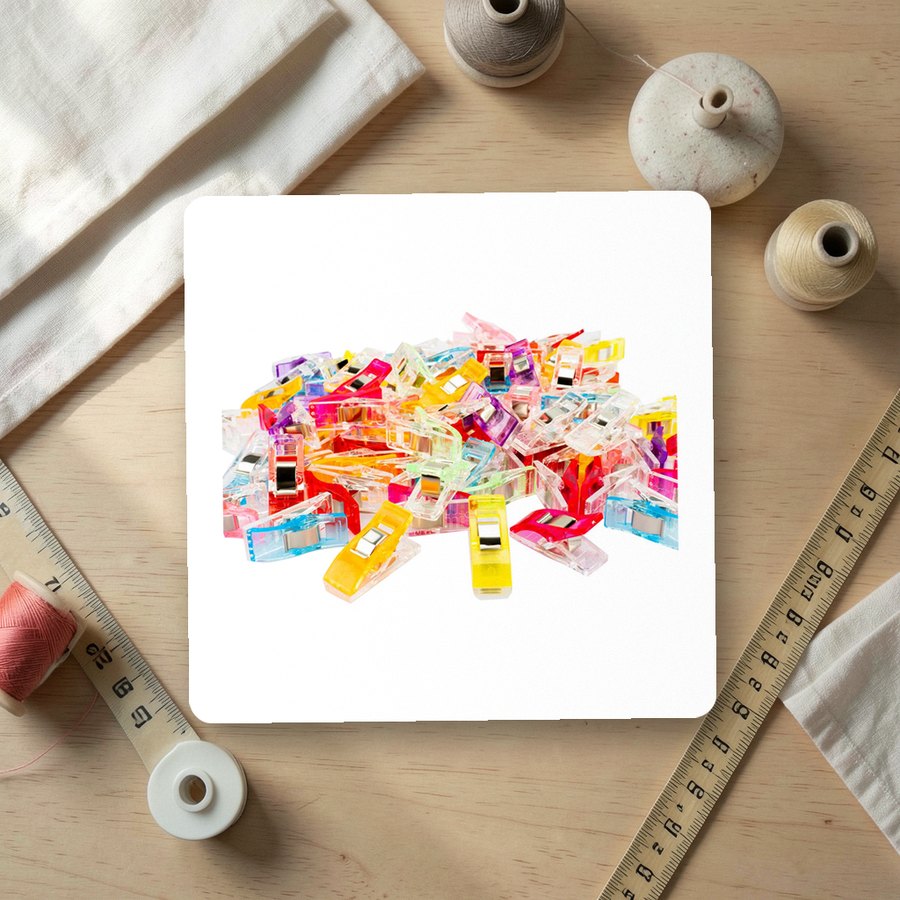 Sewing clips, pack of 100MumCraftSee it on Amazon
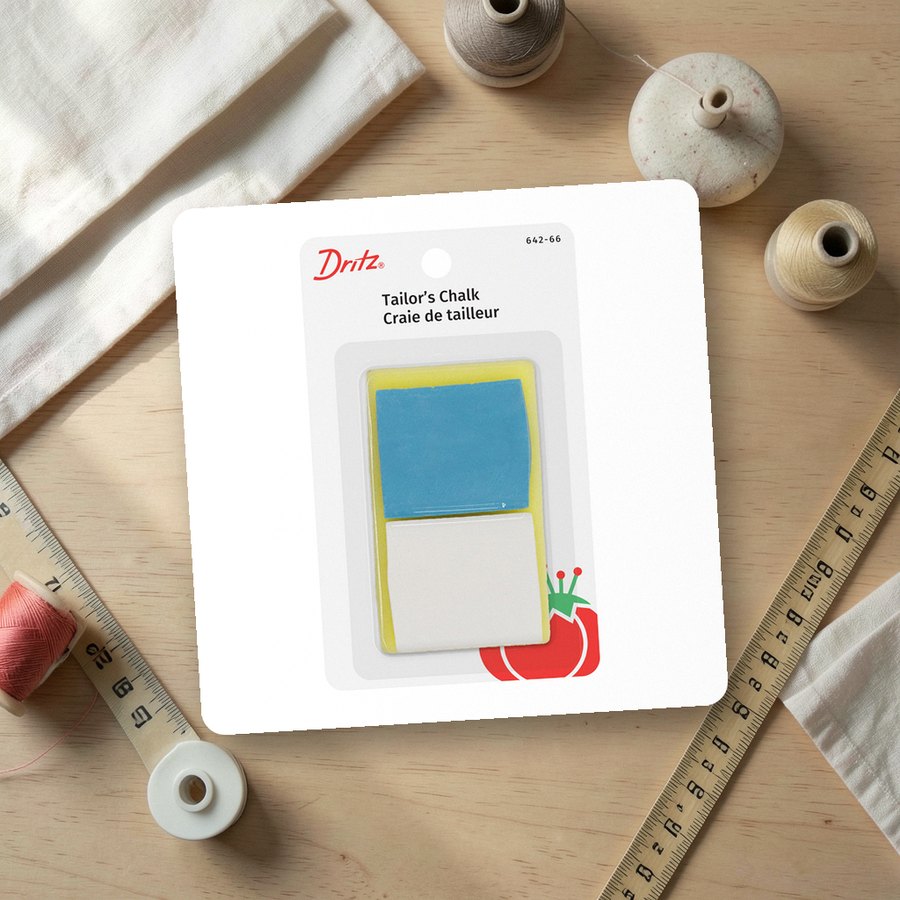 Tailor's chalk, white and blueDritzSee it on Amazon
As an Amazon Associate we earn from qualifying purchases.
Put the Kit in One Place
Gather the day-one tools into a single box or basket and keep it beside the machine, with the seam ripper and snips where your hand finds them without looking. Then pick a small first project from the pouches and small sewing projects collection and note what its supply list asks for. That list, not a shopping guide, should decide your next purchase.
Collections to Browse Next
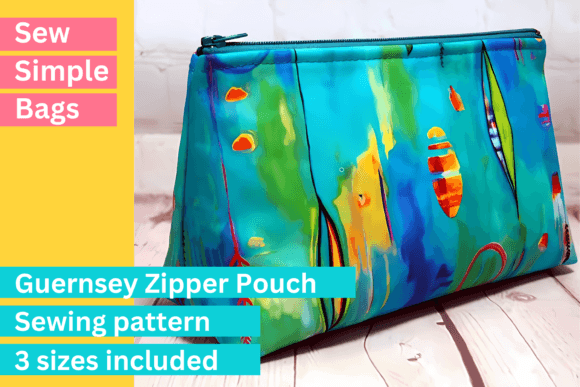 Pouches & Small Sewing Projects11 hand-picked · open the collection →
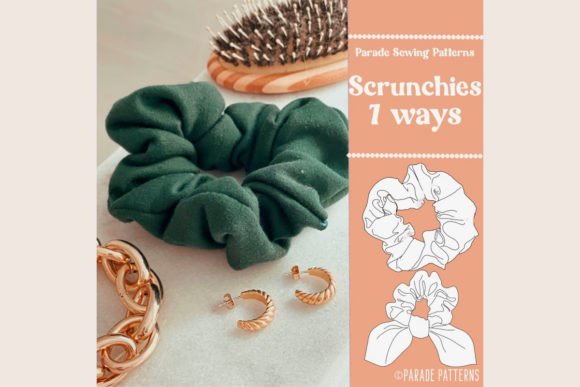 Sewing Patterns13 hand-picked · open the collection →
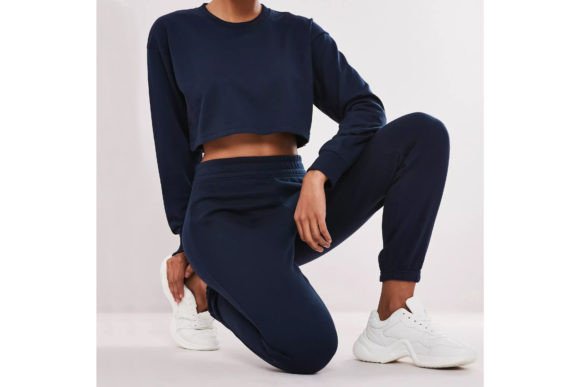 Easy & Beginner Sewing Patterns13 hand-picked · open the collection →