The easiest clothes to sew pull on or tie on, have only a few main pieces, fit loosely and are cut from stable woven fabric. Five garments meet that description: an elastic-waist skirt, a boxy top, pajama pants, a wrap skirt and a pull-on shift dress. Sewn in that order, each one adds a skill to the one before.
What Makes a Garment Easy
Check a pattern for five things before you download it.
- No closures. No zipper and no row of buttons. The garment gets on and off with elastic, with ties, or through a neckline wide enough to pass over the head.
- Few pieces. A front, a back, and perhaps a facing or waistband. Every extra piece is another seam to match.
- A loose fit. Room in the design hides small errors in size choice and seam width.
- Stable woven fabric. Cotton and linen stay put under the presser foot. Patterns for knits need a different needle and stitch.
- No set-in sleeves, no collar. Look for sleeveless shapes, sleeves cut in one with the body, or dropped shoulders.
The line drawing in a listing tells you more than the photo, because it shows every seam, dart and opening. The notions list is the other clue. If it asks only for thread and elastic, nothing needs a zipper.
The Five Garments Compared
| Garment | Main pieces | New skill | Fabric to use |
|---|---|---|---|
| Elastic-waist skirt | One or two panels | Casing, gathering, a level hem | Poplin, chambray, cotton lawn |
| Boxy top | Front, back, neck facing | Stay-stitching, finishing a curved neckline | Linen blend, poplin |
| Pajama pants | Front leg, back leg | Cutting mirrored pairs, the crotch curve | Flannel, poplin |
| Wrap skirt | Back, two fronts, waistband | An interfaced waistband with ties | Chambray, linen blend |
| Pull-on shift dress | Front, back, facings | Bust darts, choosing a size by bust | Linen blend, chambray |
None of these takes much fabric. As a rough guide from published free patterns, an elastic-waist skirt needs about 1 1/2 yards (1.4 m), a knee-length circle skirt about 1 3/4 yards (1.6 m) of 58/60-inch fabric, and pajama pants 2 to 2 1/2 yards (1.8 to 2.3 m). Narrow 44/45-inch fabric usually needs more than 58/60-inch for the same garment, so buy by the yardage chart on the pattern you choose.
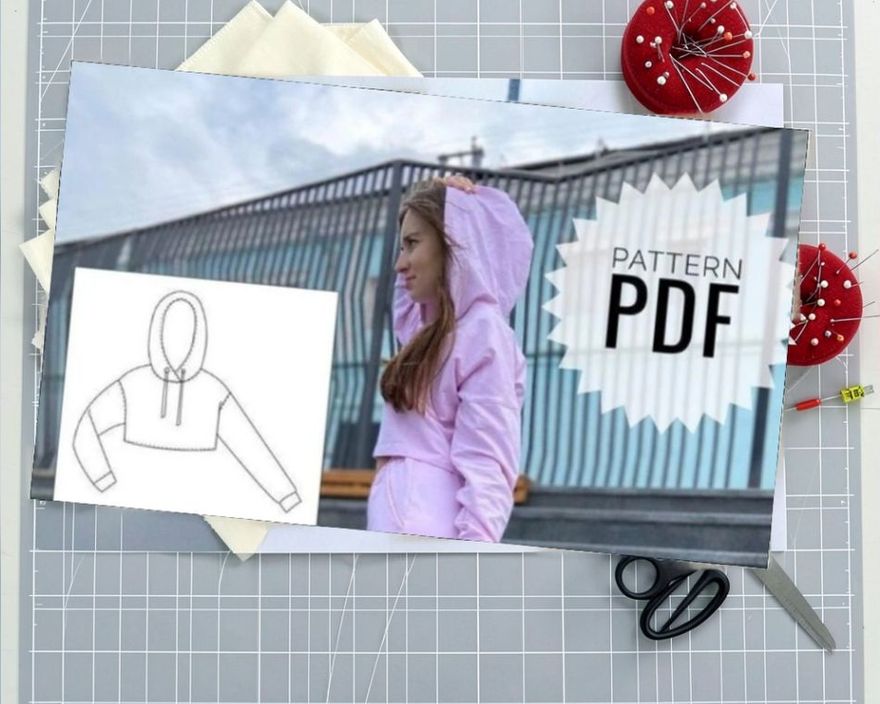
1. Elastic-Waist Skirt
A gathered skirt is rectangles, a waist casing and a hem. The measurements and steps are in sewing projects for beginners, so here is what to do with the second one: add tiers.
Each tier is a longer rectangle gathered onto the one above it, one and a half to two times as long. Two to one is the textbook minimum for gathers that look full; one and a half gives a softer result with less bulk.
To gather, set the longest straight stitch your machine has (4 mm on some models, up to 6 on others) and loosen the needle tension slightly. Sew one row on or just inside the seam line and a second row 1/4 in (6 mm) away inside the seam allowance, without backstitching, and leave long thread tails. Pull both bobbin threads together, spread the gathers evenly, pin, and stitch with the gathered layer on top where you can see it.
A circle skirt gets its fullness from the cut, with no gathers at all. It is simple to sew, with one caution. Much of the hem lies on the bias, where fabric stretches, so hang the skirt for at least 24 hours before hemming, longer if the fabric is heavy and drapey. Then trim the hem level and keep it narrow: 1/4 in (6 mm) turned twice is enough.
The three skirts below state their shape in the name. Check each notions list to see whether the waist is elastic or closes with a zipper.
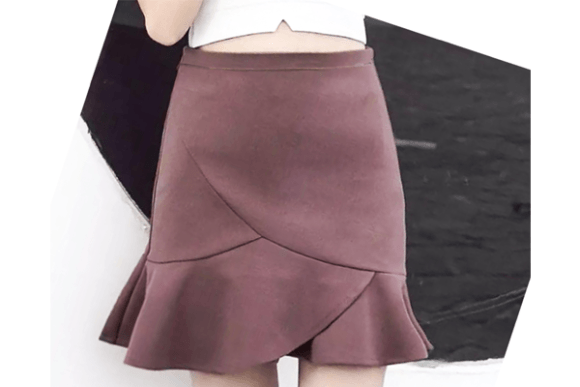
Ruffle Tiered Skirt Pdf Sewing Pattern
See the listing ↗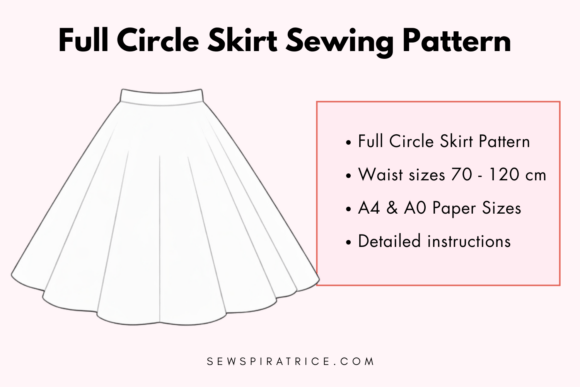
Full Circle Skirt Sewing Pattern
See the listing ↗
Mini Skirt Sewing Pattern Universal PDF
See the listing ↗From the collection Skirt & Shorts Sewing Patterns. New Creative Fabrica members get 10 free downloads, and any of these can be one of them.
2. Boxy Top
A boxy top is a front and a back joined at the shoulders and sides, with hems at the sleeve openings and the bottom edge. The only new part is the neckline.
A neckline is a curve, and curves stretch out of shape when handled. Stay-stitch it as soon as the piece is cut: one line of ordinary straight stitching, at normal stitch length, through the single layer, inside the seam allowance and about 1/8 in (3 mm) from the seam line. With a 5/8 in seam allowance, that is 1/2 in (1.3 cm) from the cut edge. Sew from each shoulder toward the center, not all the way around in one pass.
Then finish the edge with a shaped facing or a bias facing. The steps are the same for both:
- Sew the facing to the neckline with right sides together.
- Trim the seam allowance to 1/4 in (6 mm) if it is wider, and clip into the curve every half inch, stopping about 1/8 in (3 mm) short of the stitches.
- Press the facing and both seam allowances away from the garment. Stitch on the facing, through the facing and the allowances, 1/8 in from the seam. This is understitching, and it stops the facing from rolling to the outside.
- Turn the facing to the inside and press.
3. Pajama Pants
Pajama pants are the first garment that depends on a paper pattern, cut as mirrored pairs on the straight grain. Adult sizes commonly take 2 to 2 1/2 yards (about 1.8 to 2.3 m), and more for long legs, larger sizes or a print that has to be matched; the pattern's chart gives the exact figure for your size and fabric width.
Two details save trouble. The back crotch curve is longer and deeper than the front, so mark the back pieces with chalk as you cut. And because the finished front and back look alike, sew a loop of ribbon into the back of the waist casing.
For size, go by your hip measurement, then compare the pattern's inseam with a pair you own. Add or remove length at the lengthen/shorten line, not at the hem.
The first of these three patterns from the easy collection is a pajama set. Read the fabric list on each one, since sleepwear and light tops are drafted for wovens in some patterns and for knits in others.

Women's Pajama Set PDF Sewing Pattern
See the listing ↗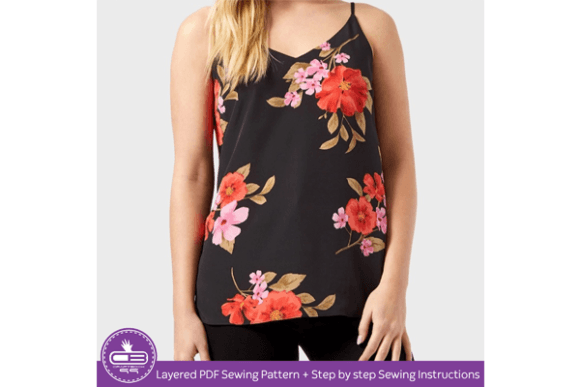
Women’s Camisole PDF Sewing Pattern
See the listing ↗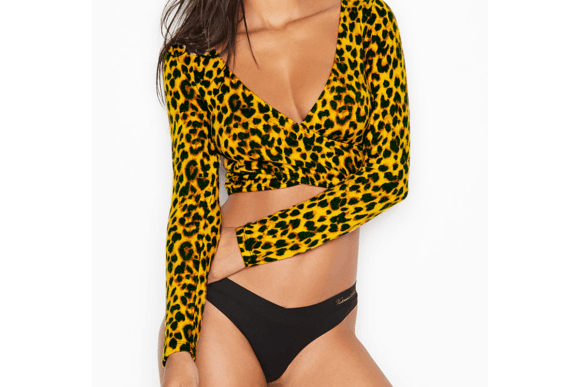
Womens Wrap Front Top Pdf Sewing Pattern
See the listing ↗From the collection Easy & Beginner Sewing Patterns. New Creative Fabrica members get 10 free downloads, and any of these can be one of them.
4. Wrap Skirt
A wrap skirt has no zipper and no elastic. A back panel and two overlapping front panels are sewn to one long waistband that extends into ties. One tie passes through a gap left in the waistband at the side seam, or through a buttonhole there, and the two ends tie at the waist.
The skill here is the waistband. Fuse interfacing to it first, so it stays flat instead of crumpling when tied. The front edges and the hem are long double-fold hems.
Choose a pattern with a generous overlap. Two full front panels keep the skirt closed when you sit down or walk into the wind. A wrap skirt also forgives a wrong size better than anything else on this list, because the ties set the waist.

5. Pull-On Shift Dress
A shift hangs straight from the shoulders with little shaping at the waist. Look for a version that pulls on over the head or closes with a single button and loop at the back neck.
Most shifts have bust darts, which makes this the place to sew your first pair. Stitch each one from the wide end to the point, tie the thread tails instead of backstitching, and press it downward. On a sleeveless shift, the neckline and armholes are finished the same way as the neckline of the boxy top.
Dress names rarely mention closures. Open the listing, look at the back view and the notions list, and apply the checklist from the top of this article.
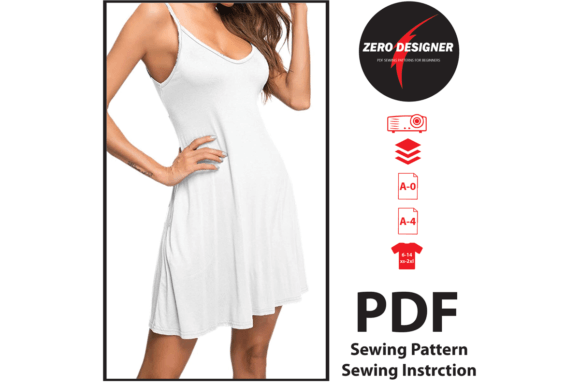
Summer Dress PDF Sewing Pattern
See the listing ↗
Boho Style Dress PDF Sewing Pattern
See the listing ↗
Gathered Dress Pattern PDF
See the listing ↗From the collection Dress Sewing Patterns. New Creative Fabrica members get 10 free downloads, and any of these can be one of them.
Fitting Basics for Loose Clothes
Loose garments still need a few checks, and all of them happen before the last seam is finished.
- Choose the size from the pattern's chart. Pants and most skirts go by hip, tops and dresses by bust, and skirts that are full at the hip by waist. How to choose your pattern size covers measuring.
- Compare with something you own. Lay a garment you like flat, measure across it, double the number, and set it beside the pattern's finished measurement.
- Check length on paper. Hold the pattern piece against your body, or measure down from the shoulder or waist, and adjust before cutting.
- Baste and try on. Sew the side seams with a long stitch, try the garment on, and only then sew them for real. Taking in is easy; letting out is limited by the seam allowance.
- Hem last, on the body. Put the garment on with the shoes you would wear, and have the hem marked or check it in a mirror.
Press every seam before another seam crosses it. A pressed seam lies flat inside the next one, and no amount of ironing at the end makes up for skipping it.
Supplies for a First Garment
The five garments share a short supply list. Elastic makes the waistbands, muslin makes the test version, and a sliding gauge keeps hems and casings the same depth all the way around.
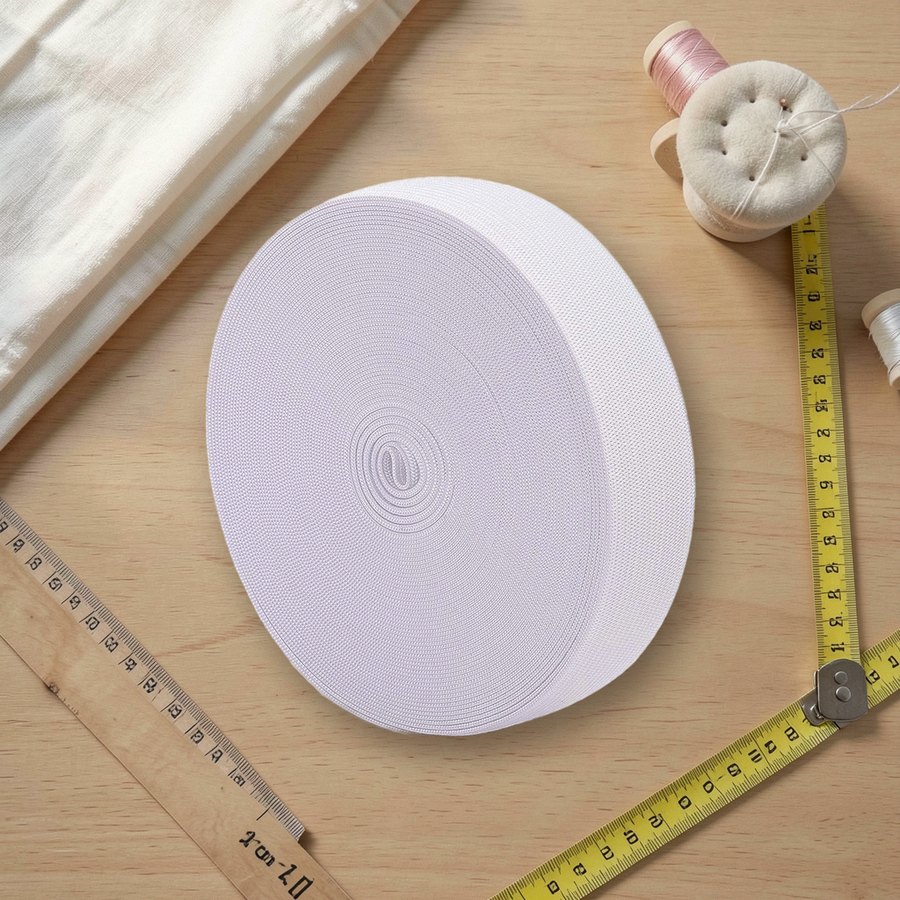 Knit elastic, 1 inch wideAirisoerSee it on Amazon
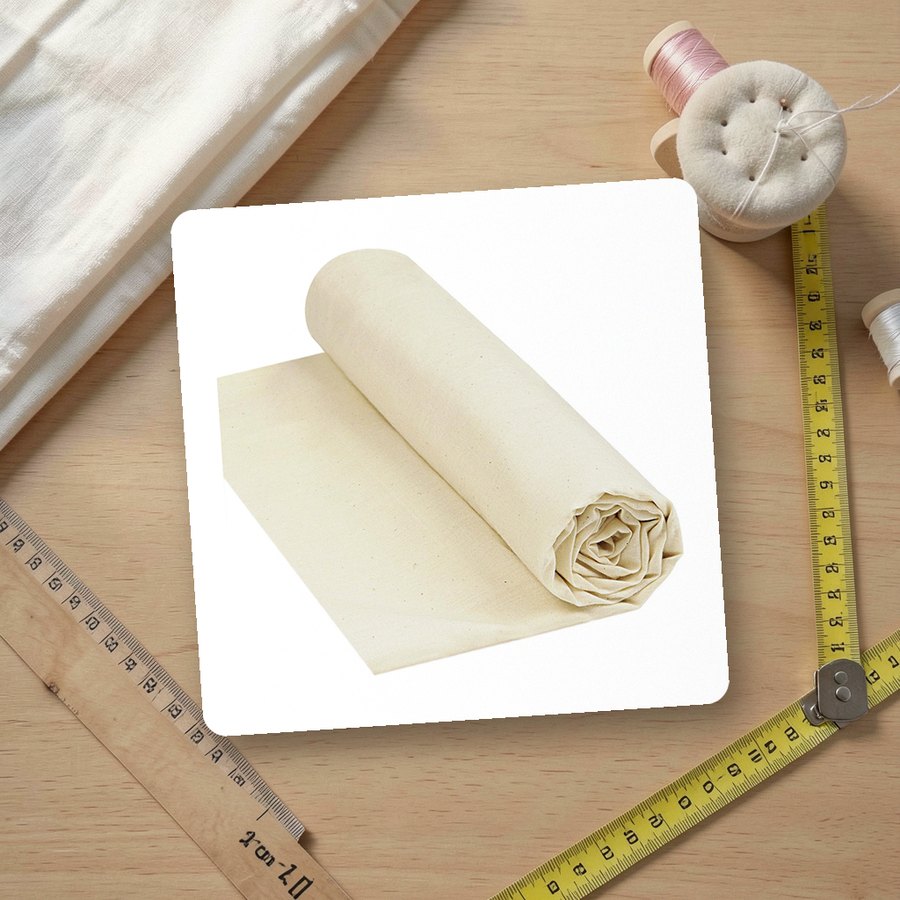 Unbleached cotton muslin, two yardsHOTGODENSee it on Amazon
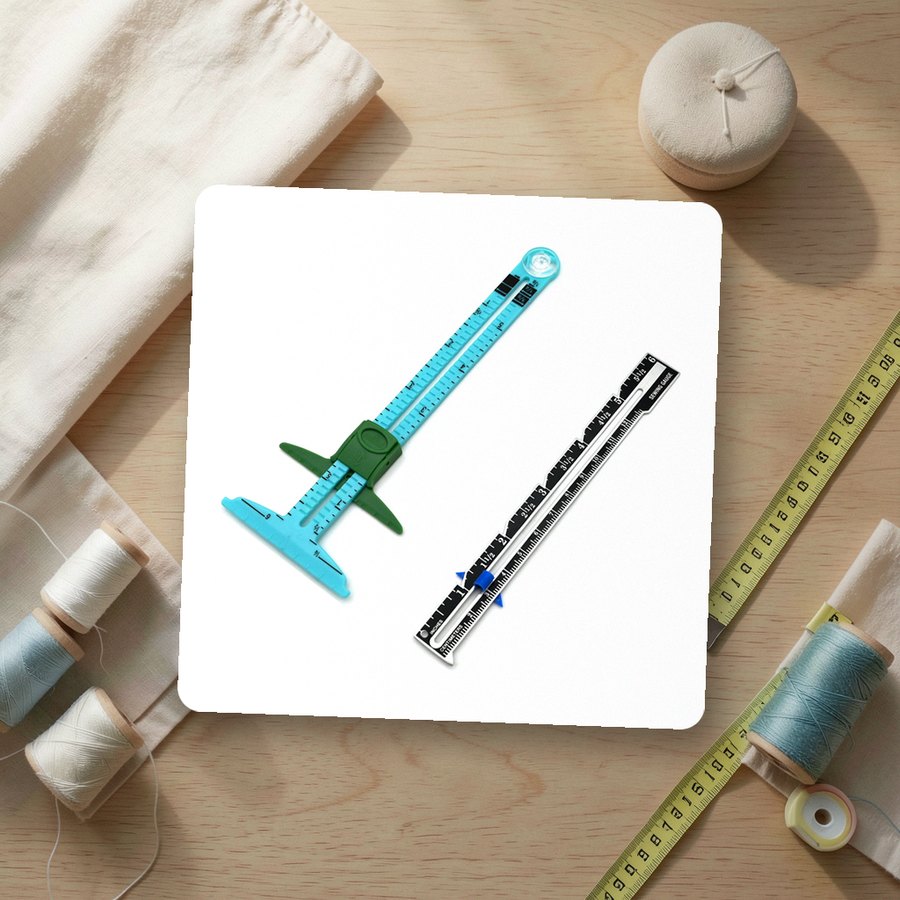 Sliding sewing gauge setTsxiouaSee it on Amazon
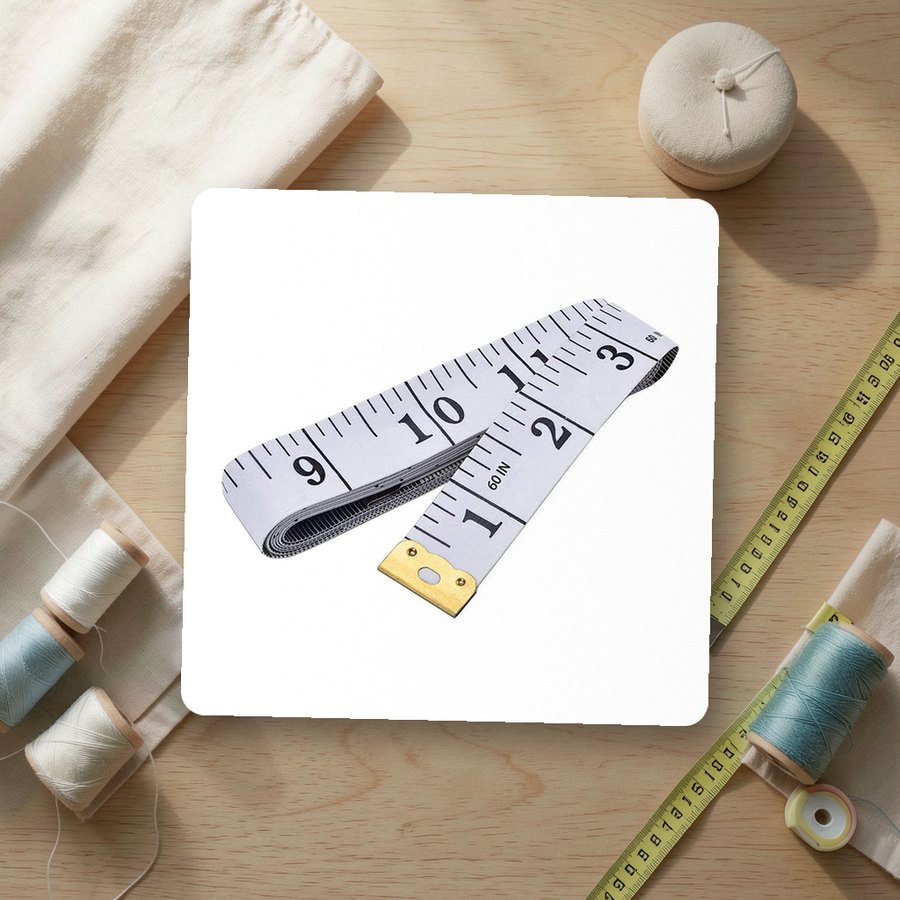 Soft tape measure, 60 inchGDMINLOSee it on Amazon
As an Amazon Associate we earn from qualifying purchases.
Before You Cut
Wash, dry and press the fabric first. Fold it with the selvages together and lay every piece with its grainline parallel to them. Raw edges inside a garment are washed and worn many times, so decide on a finish before you start; seam allowance and seam finishes compares the options. If you have not chosen fabric yet, the best fabrics for beginners explains why poplin, chambray and linen blends suit all five garments.
Start with the skirt, in a fabric you would wear. The easy and beginner sewing patterns collection is the place to browse for the rest, and Creative Fabrica gives new members 10 free downloads to begin with.
Collections to Browse Next
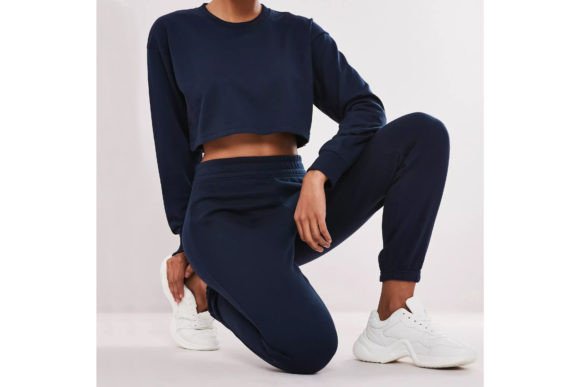 Easy & Beginner Sewing Patterns13 hand-picked · open the collection →
 Skirt & Shorts Sewing Patterns11 hand-picked · open the collection →
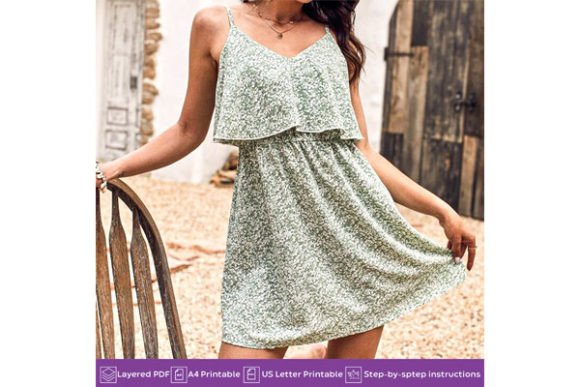 Dress Sewing Patterns13 hand-picked · open the collection →